Signs Elderly Parent Is Declining in Seattle: Warning Signs Families Should Never Ignore


Staying independent doesn’t mean going unnoticed.
Our weekly check-ins are designed to help families stay informed and older adults stay independent at home. Get started in under 24 hours.
You may notice small changes at first. Your mom forgets appointments. Your dad stops answering calls. The house near Green Lake looks messier than usual. Maybe they seem weaker walking through Queen Anne or suddenly avoid driving through Capitol Hill altogether.
If you are searching for signs elderly parent is declining, you are likely worried about whether your loved one is still safe living independently.
For many Seattle families, decline happens gradually. Small issues with memory, mobility, hygiene, nutrition, or mood slowly become larger problems. The challenge is knowing when normal aging crosses into something more serious.
Recognizing the warning signs early can help prevent falls, hospitalizations, medication mistakes, and emergencies. More importantly, early support often helps older adults maintain independence longer while giving families peace of mind.
Common Signs an Elderly Parent Is Declining
Physical and cognitive decline rarely appear overnight. Most families notice patterns over time.
Here are the most common warning signs:
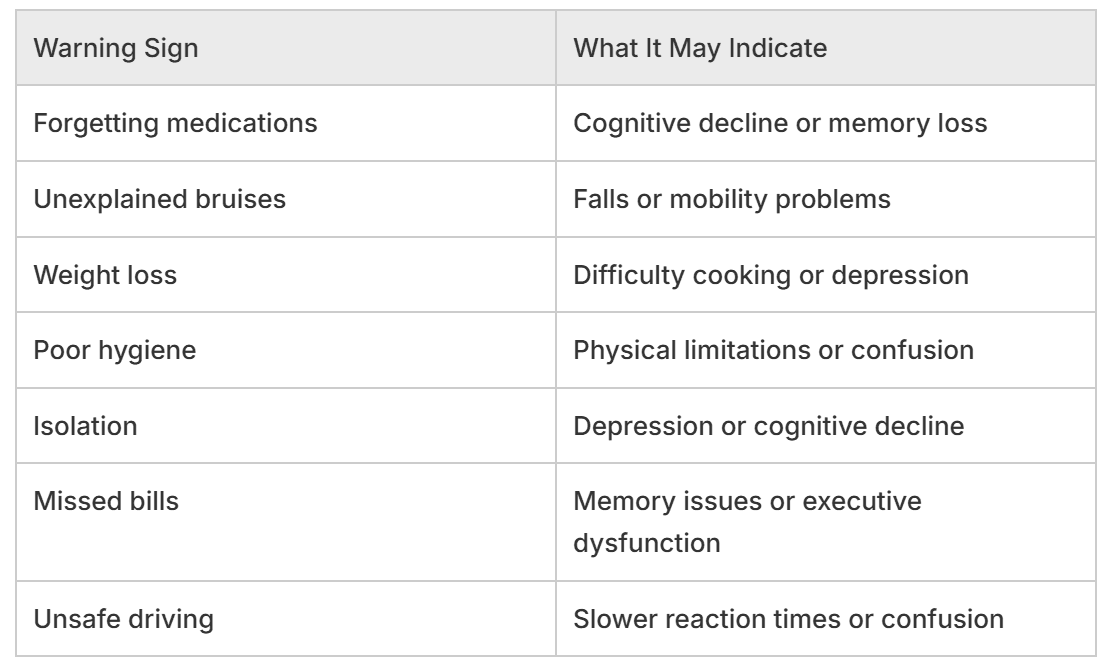
Memory Problems and Cognitive Changes
Forgetfulness is common with aging. Repeated confusion is not.
Signs of Cognitive Decline
Watch for behaviors like:
Repeating the same questions
Forgetting recent conversations
Missing appointments
Losing track of time or dates
Getting lost in familiar Seattle neighborhoods
Difficulty following conversations
For example, a parent who has comfortably navigated Pike Place Market for years may suddenly become overwhelmed or disoriented in familiar places.
When Memory Issues Become Dangerous
Memory problems become serious when they affect safety.
Red flags include:
Leaving the stove on
Forgetting medications repeatedly
Falling for scams
Wandering
Confusion during emergencies
Many families delay action because they hope the issue will improve. Unfortunately, cognitive decline often worsens without support.
Physical Signs an Elderly Parent Is Declining
Physical decline is often easier to spot than cognitive decline.
Mobility Problems and Fall Risks
Seattle’s hills, rainy sidewalks, and stairs can create major challenges for aging adults.
Watch for:
Trouble standing up
Holding onto furniture for balance
Slow or shuffling walking
Avoiding stairs
Frequent falls
Unexplained injuries
Falls are one of the leading reasons seniors lose independence.
Weight Loss and Poor Nutrition
Older adults living alone often struggle with meal preparation and appetite.
Common warning signs include:
Empty refrigerators
Expired food
Burned pans
Rapid weight loss
Dehydration
Fatigue
Sometimes seniors stop cooking because shopping, standing, or cleaning becomes physically exhausting.
Emotional and Behavioral Changes
Families often miss emotional warning signs because they assume their parent is simply “getting older.”
Increased Isolation
Social withdrawal is one of the clearest indicators that something may be wrong.
You may notice your parent:
Stops attending social activities
Avoids family gatherings
Rarely leaves the house
Stops returning phone calls
Loses interest in hobbies
Isolation increases the risk of:
Depression
Dementia progression
Physical decline
Poor nutrition
Personality Changes
A once-patient parent may suddenly become:
Irritable
Suspicious
Angry
Anxious
Emotionally withdrawn
These changes can stem from:
Cognitive decline
Medication side effects
Chronic pain
Loneliness
Fear of losing independence
Signs the Home Environment Is Becoming Unsafe
The condition of the home often reflects a senior’s ability to manage daily life.
Household Warning Signs
Look for:
Unopened mail
Unpaid bills
Clutter or hoarding
Dirty laundry piling up
Spoiled food
Burn marks in the kitchen
Missed trash pickup days
If a previously organized home near Ballard suddenly becomes chaotic, it may indicate declining executive function or physical limitations.
Is It Normal Aging or Something More Serious?
Many families struggle to determine whether changes are part of normal aging or evidence of decline.
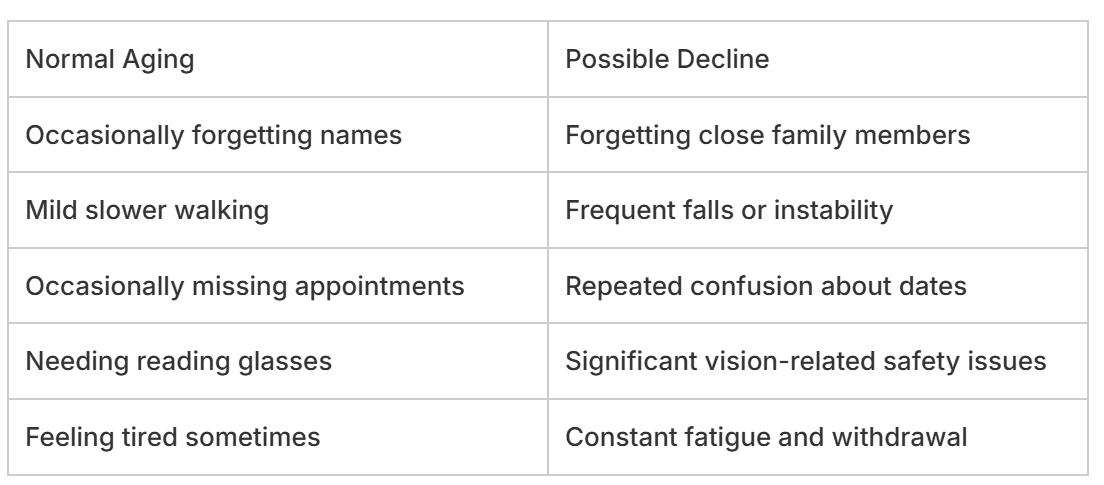
The biggest difference is consistency and impact on daily life.
If problems interfere with safety, hygiene, nutrition, finances, or mobility, additional support may be necessary.
What Families in Seattle Should Do Next
The goal is not to take away independence immediately.
The goal is to prevent a crisis.
Steps Families Can Take
Start with:
Regular wellness check-ins
Medication monitoring
Home safety evaluations
Attending doctor visits together
Increasing social interaction
Part-time in-home support
Families throughout Seattle increasingly use proactive support services before full-time caregiving becomes necessary.
Why Early Intervention Matters
Many adult children only discover the severity of decline after:
A hospitalization
A fall
A wandering incident
A medication emergency
Earlier support allows seniors to:
Stay independent longer
Avoid preventable emergencies
Maintain routines
Reduce loneliness
Improve quality of life
Small interventions today often prevent major crises later.
Local Seattle Resources for Seniors and Families
Aging and Disability Services (ADS)
Provides caregiver support, transportation resources, and aging services throughout Seattle and King County.
Community Living Connections
Helps families navigate long-term care and senior support options.
UW Medicine Memory and Brain Wellness Center
Offers dementia assessments and cognitive support services.
Seattle Parks and Recreation Lifelong Recreation
Provides social and wellness programs for older adults across Seattle neighborhoods.
Frequently Asked Questions
What are the first signs an elderly parent is declining?
Early warning signs often include memory problems, missed medications, poor hygiene, isolation, weight loss, mobility issues, and difficulty managing household responsibilities.
How do I know if my elderly parent should not live alone?
Frequent falls, wandering, medication mistakes, unsafe cooking, confusion, and inability to manage daily tasks may indicate that independent living is no longer safe without support.
What should I do if my parent refuses help?
Start small. Weekly wellness visits, companionship, and check-ins are often less intimidating than full-time caregiving and help build trust gradually.
Caringene Helps Seattle Families Stay Ahead of Problems
At Caringene, we help Seattle families identify problems early through proactive in-person wellness check-ins, family updates, and compassionate in-home support.
Whether your loved one lives near Green Lake, Queen Anne, Ballard, or anywhere in the Seattle area, our team helps families stay informed before small concerns become emergencies.
If you are noticing signs your elderly parent is declining, now is the time to act. Contact Caringene today to learn how our Seattle-based support services can help your loved one stay safe, independent, and connected.
Explore More Helpful Guides on the Caringene Blog:
The content on this blog is intended for general informational purposes only and does not constitute medical advice, diagnosis, or treatment. Caringene is a non-medical home care provider. Do not make healthcare decisions based on the information provided here—always consult with a physician or licensed medical professional for guidance regarding medical care or treatment.